


2026 Kia EV4 near Rock Hill, SC
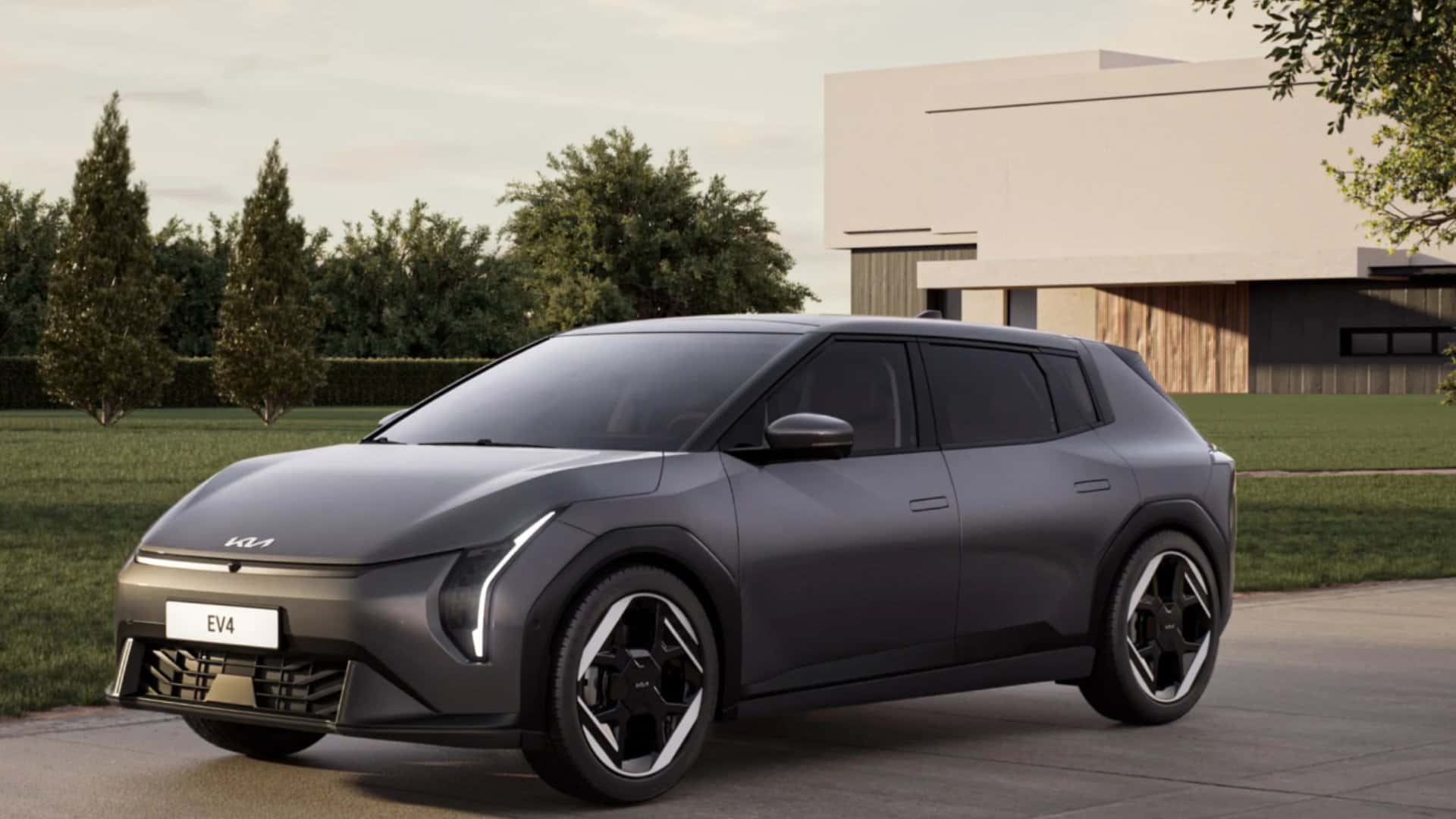
The 2026 Kia EV4 expands the electric vehicle lineup from Kia with a compact all-electric sedan designed around the brand’s dedicated 400V Electric Global Modular Platform. The 2026 Kia EV4 combines long-range battery capability, advanced charging systems, aerodynamic engineering, integrated connectivity, and driver-assistance technologies within a sedan body style that differs from the crossover-focused EV segment. Kia offers the 2026 Kia EV4 in Light, Wind, and GT-Line™ trims for the U.S. market, with production taking place at the Autoland Gwangmyeong EVO Plant of Kia in South Korea.
The 2026 Kia EV4 is engineered to support daily commuting, highway driving, and long-distance electric travel through a combination of battery efficiency, charging accessibility, and chassis refinement. The model also introduces a technology-focused interior environment featuring a nearly 30-inch combined display interface, wireless smartphone integration, AI-assisted interaction systems, and multiple comfort-oriented cabin features. The 2026 Kia EV4 represents the brand’s first global electric sedan and applies the company’s latest EV engineering and digital integration systems across its exterior, cabin, and performance architecture.
Battery Systems and Electric Drive Configuration
The 2026 Kia EV4 uses two battery configurations depending on trim level. The Light trim is equipped with a 58.3 kWh battery pack, while the Wind and GT-Line™ trims receive an 81.4 kWh long-range battery system. Both battery setups power a front-mounted 150 kW electric motor configured for front-wheel-drive operation.
The Light trim carries a Kia-estimated all-electric driving range of 235 miles. The Wind trim increases the estimated range to 330 miles through the larger battery configuration and aerodynamic efficiency measures integrated throughout the vehicle structure. Kia has not released a range estimate for the GT-Line™ trim in the attached specifications.
The dedicated E-GMP platform of the 2026 Kia EV4 supports optimized battery placement and weight distribution while maintaining passenger and cargo space. The battery system also works in coordination with regenerative braking functions to improve energy recovery during deceleration and braking conditions. The electric motor of the 2026 Kia EV4 delivers immediate torque response and smooth acceleration characteristics associated with battery-electric propulsion systems.
Fast-Charging Capability and Charging Integration
Charging accessibility is a major engineering focus for the 2026 Kia EV4. The sedan includes a standard North American Charging Standard charging port positioned on the front passenger side of the vehicle for easier access during public charging sessions.
The 58.3 kWh battery can charge from 10 percent to 80 percent in an estimated 29 minutes using DC fast charging. The larger 81.4 kWh battery requires an estimated 31 minutes to reach the same charging level. These charging times are supported through the 400V EV architecture of the 2026 Kia EV4.
The charging system is designed to support regular commuting and longer travel requirements by reducing charging downtime. The placement of the charging port also improves accessibility in public charging environments where parking orientation and cable reach can vary depending on station layout.
Aerodynamic Engineering and Exterior Efficiency
Kia designed the 2026 Kia EV4 with a strong emphasis on aerodynamic performance. The sedan body combines a low front profile, long-tail proportions, and a fastback-style roofline intended to reduce air resistance while maintaining passenger accommodation and trunk capacity.
Additional aerodynamic measures include a full underbody cover that helps direct airflow beneath the vehicle. These airflow management systems contribute to a drag coefficient as low as 0.23 Cd. Reduced drag supports higher driving efficiency and extended electric range during highway operation.
The 2026 Kia EV4 also introduces several EV-specific styling components connected to the brand’s electrified design language. Vertical headlamps, Star Map lighting signatures, and a revised Tiger Face front fascia distinguish the sedan from conventional combustion-powered models. Available small cube LED headlights with Dynamic Welcome Lights add additional lighting functionality and visual differentiation.
At the rear, vertical taillights, a two-piece roof spoiler, and a streamlined bumper structure reinforce the vehicle’s aerodynamic profile. The Light and Wind trims are equipped with 17-inch aero wheels, while the GT-Line™ trim receives 19-inch spoke-type wheels and trim-specific exterior elements.
Cabin Architecture and Interior Functionality
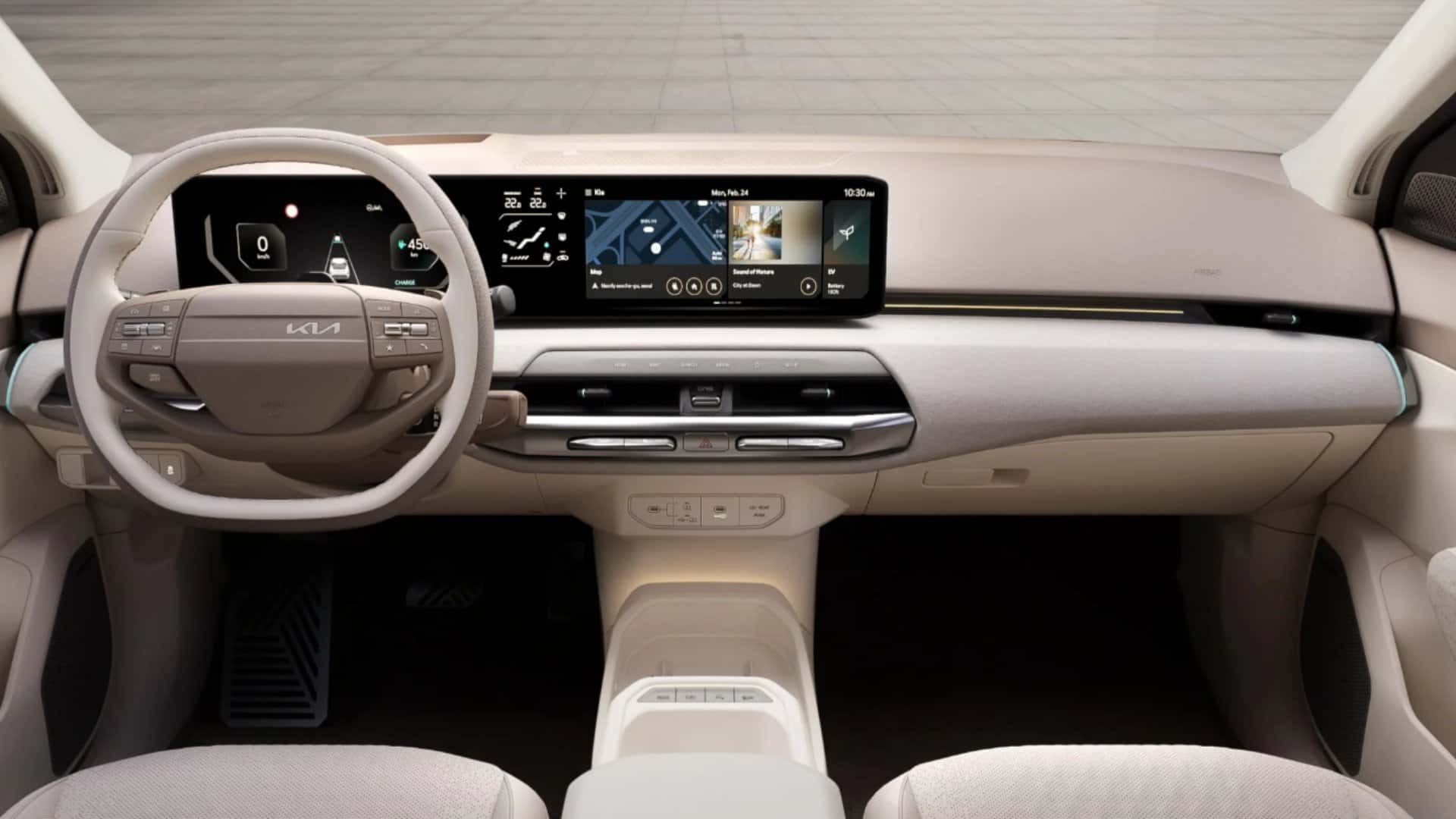
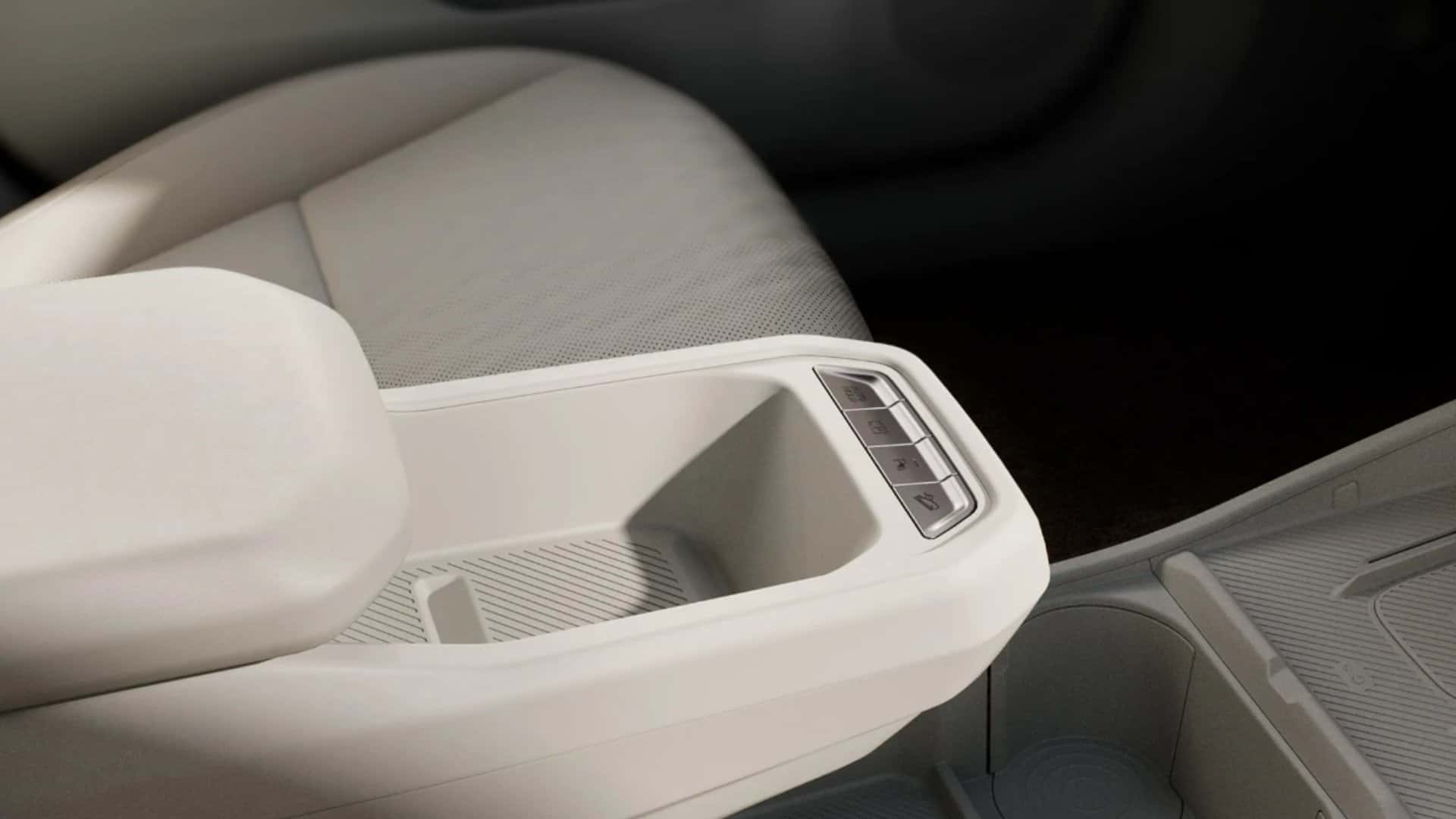
The 2026 Kia EV4 interior is organized around an open-layout cabin structure intended to simplify operation and improve space utilization. A free-floating interface design and two-spoke steering wheel define the front cabin area, while integrated display systems centralize key vehicle functions.
The cabin materials and layout prioritize passenger comfort, visibility, and accessibility. Kia also designed the interior to ease the transition from internal combustion vehicles to electric mobility by using straightforward control placement and clearly organized digital interfaces.
Passenger comfort systems include standard dual-zone automatic temperature control with rear air-conditioning vents. The 2026 Kia EV4 also features an acoustic windshield intended to reduce road and wind noise entering the cabin. Available heated and ventilated front seats, driver-seat memory settings, and a heated steering wheel provide additional convenience functions on select trims.
Available 64-color dynamic ambient lighting allows occupants to customize cabin illumination settings. The lighting system is integrated throughout the interior structure to support a more configurable cabin environment without affecting functional layout or storage capacity.
Integrated Display Technology and Digital Systems
The 2026 Kia EV4 uses the brand’s connected car Navigation Cockpit system, centered around a nearly 30-inch combined widescreen display arrangement. The interface includes dual 12.3-inch displays alongside a dedicated 5-inch climate display.
This system integrates driver information, infotainment controls, navigation functions, climate adjustments, and connectivity features into a single digital environment. The infotainment system supports over-the-air software updates, allowing system enhancements and feature updates to be installed remotely.
Wireless Apple CarPlay® and Android Auto™ compatibility are included to support smartphone integration without physical cable connections. The 2026 Kia EV4 also supports customizable display themes, including selectable interface graphics and personalization features integrated into the cockpit system.
The available Digital Key 2.0 from Kia allows compatible smartphones or mobile devices to manage vehicle access and selected remote functions. Drivers can remotely lock or unlock doors and activate climate-control systems through supported mobile integration.
The 2026 Kia EV4 also introduces the AI Assistant system, which uses machine learning to improve voice-recognition capability and communication between the driver and vehicle systems. The voice-control system is intended to support more natural interaction for navigation, infotainment, and vehicle settings.
Suspension Design and Driving Dynamics
The chassis structure of the 2026 Kia EV4 combines ride refinement with handling stability through a dedicated suspension setup developed specifically for EV operation. The front suspension uses an EV-tuned MacPherson® strut configuration, while the rear suspension uses a multi-link layout.
Kia reinforced key sections of the vehicle body to improve structural rigidity and support more controlled cornering performance. These chassis modifications contribute to steering response, ride comfort, and overall stability during acceleration, braking, and highway driving conditions.
The sedan’s low center of gravity, created partly through floor-mounted battery placement, also supports balanced vehicle movement and predictable handling behavior. Combined with the aerodynamic body design, the chassis configuration helps improve driving efficiency and cabin refinement during extended travel.
Regenerative Braking and Energy Recovery Systems
The 2026 Kia EV4 incorporates the brand’s latest i-Pedal 3.0 regenerative braking system. This system allows drivers to regulate vehicle speed and bring the vehicle to a stop using accelerator pedal input alone during many driving situations.
The regenerative braking system works alongside adaptive Smart Regenerative Braking technology to recover energy during deceleration and braking events. Recovered energy is directed back into the battery system to improve overall efficiency.
Kia also expanded the i-Pedal system’s functionality in the 2026 Kia EV4 by enabling operation while reversing. In addition, the i-Pedal Memory function restores the previously selected regenerative braking setting after the vehicle restarts, reducing the need for repeated adjustments during daily operation.
Vehicle-to-Load Functionality for External Devices
The 2026 Kia EV4 offers available Vehicle-to-Load functionality that allows the battery system to supply electricity to compatible external devices. This feature can support equipment such as laptops, lighting systems, and smaller electronic devices through external power connections.
Vehicle-to-Load capability increases operational flexibility by allowing the vehicle to function as a portable power source during outdoor activities, worksite applications, or emergency situations requiring temporary electrical support.
Driver Assistance and Highway Technology Systems
The 2026 Kia EV4 includes multiple Advanced Driver Assistance Systems designed to support highway driving and driver awareness. Standard Highway Driving Assist uses navigation-based speed-limit information on controlled-access highways to help maintain speed and following distance under certain operating conditions.
The system can automatically adjust the vehicle’s set speed to correspond with posted speed limits when properly configured. Highway Driving Assist also works with vehicle-detection systems to maintain spacing from traffic ahead.
Additional available driver-assistance technologies include Driver Attention Warning, Forward Collision-Avoidance Assist, Lane Following Assist, Intelligent Speed Limit Assist, and Remote Smart Parking Assist.
The 2026 Kia EV4 also includes standard Hands-On Detection technology. This system senses driver contact with the steering wheel to determine driver engagement during operation of various assistance systems. The feature supports activation and management of ADAS warning systems during vehicle operation.
Connectivity Features and Daily Driving Convenience
The 2026 Kia EV4 integrates multiple convenience systems intended to support routine vehicle use and digital connectivity. Digital Key 2.0 functionality allows supported mobile devices to replace a traditional key in many situations. Remote access functions provide added flexibility for climate preparation and vehicle entry management.
The display architecture of the 2026 Kia EV4 allows quick access to navigation, audio controls, charging information, and vehicle settings through a centralized digital interface. Wireless smartphone connectivity reduces cable usage within the cabin while maintaining access to mobile applications and communication functions.
Schedule a Test Ride near Rock Hill, SC
Drivers interested in experiencing the 2026 Kia EV4 firsthand can explore its battery systems, charging capability, digital cockpit technology, suspension engineering, and driver-assistance features at Courage Kia near Rock Hill, SC. A test drive provides an opportunity to evaluate the vehicle’s regenerative braking system, front-wheel-drive electric performance, cabin layout, display integration, and highway-assistance technologies under normal driving conditions.

