


2026 Kia EV9 near Lowell, NC
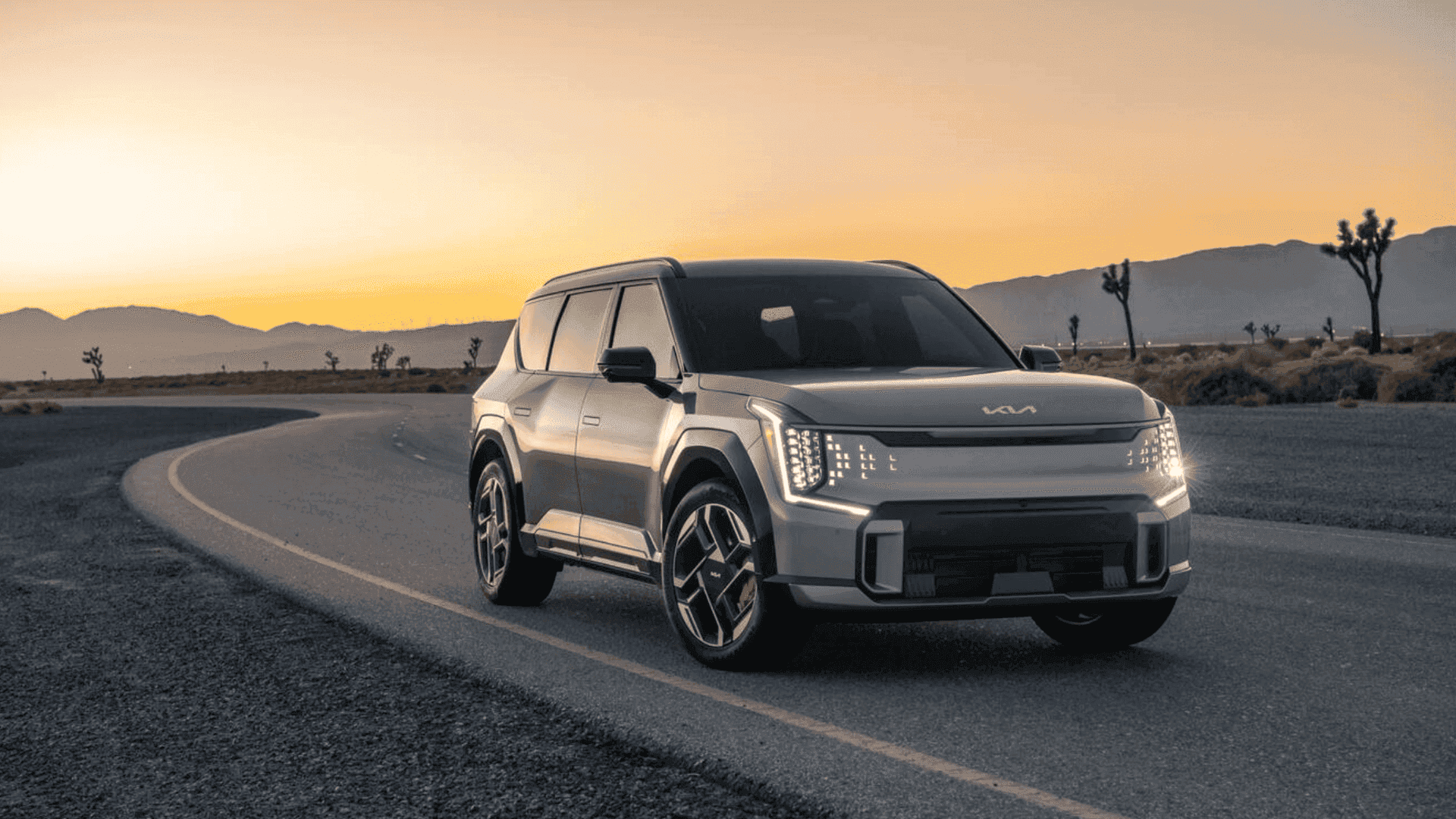
The 2026 Kia EV9 represents a transition to function-oriented electric driving. Designed with a configuration that prioritizes efficiency, adaptability, and practical engineering, this vehicle introduces a refined powertrain lineup combined with purposeful technology. It avoids decorative design choices in favor of performance-focused development, resulting in a vehicle equipped to meet varied operational demands without deviation from its functional intent.
Powertrain Options and Drivability Engineering
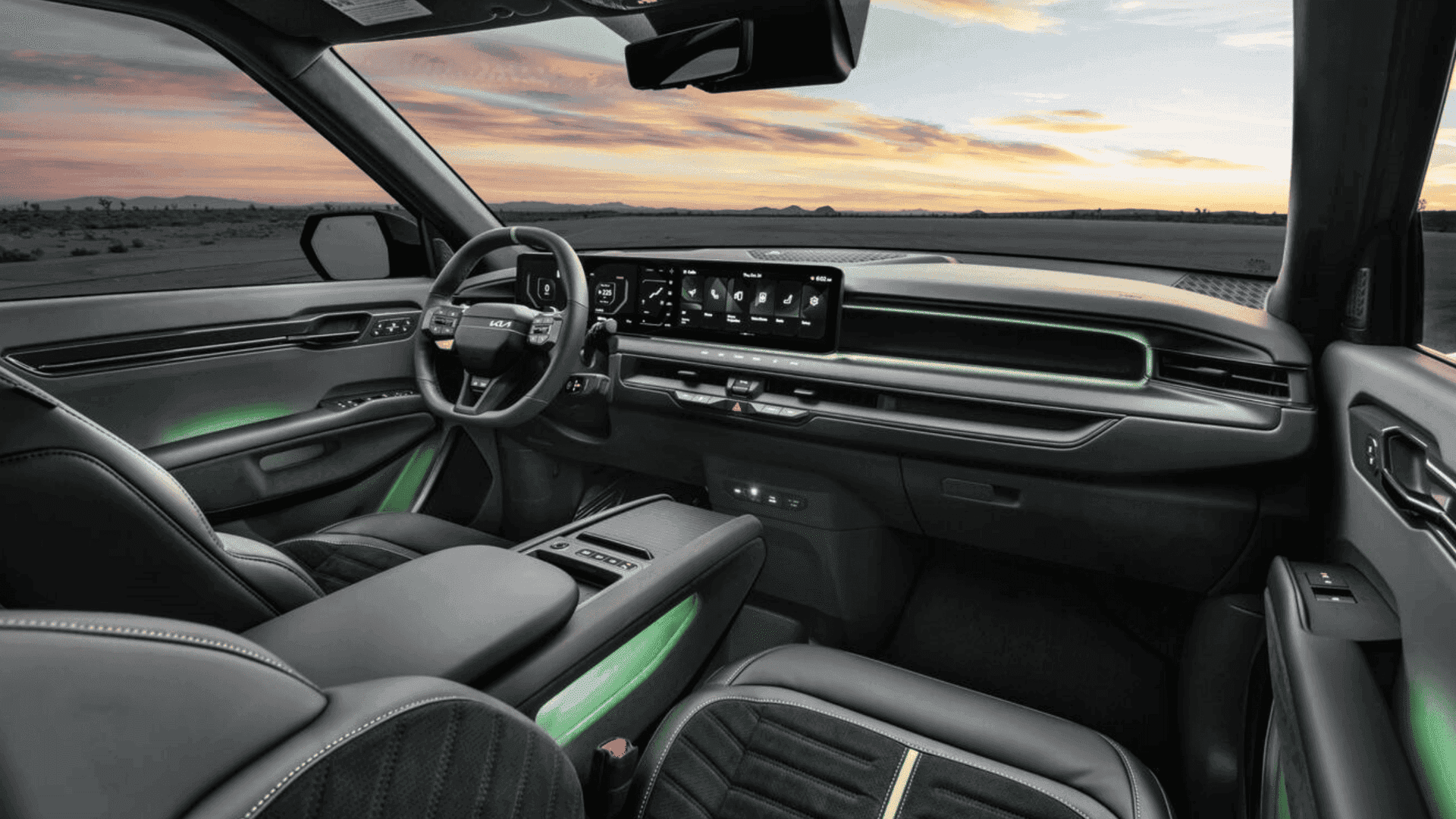
The 2026 Kia EV9 includes multiple configurations, beginning with a single electric motor powering the rear wheels. This rear-wheel-drive system delivers linear torque distribution suitable for paved conditions and urban commuting. For scenarios requiring additional traction, the dual electric motor setup introduces an electronically controlled all-wheel-drive system. This configuration includes torque vectoring, adjusting power between front and rear axles for enhanced surface engagement.
The e-AWD configuration also introduces terrain drive modes. Each mode is calibrated for a specific low-traction environment, including snow, mud, and sand. Activation modifies throttle response and torque delivery parameters to prevent slippage and maintain propulsion without overcompensating through mechanical intervention.
Thermal Management and Climate Control Integration
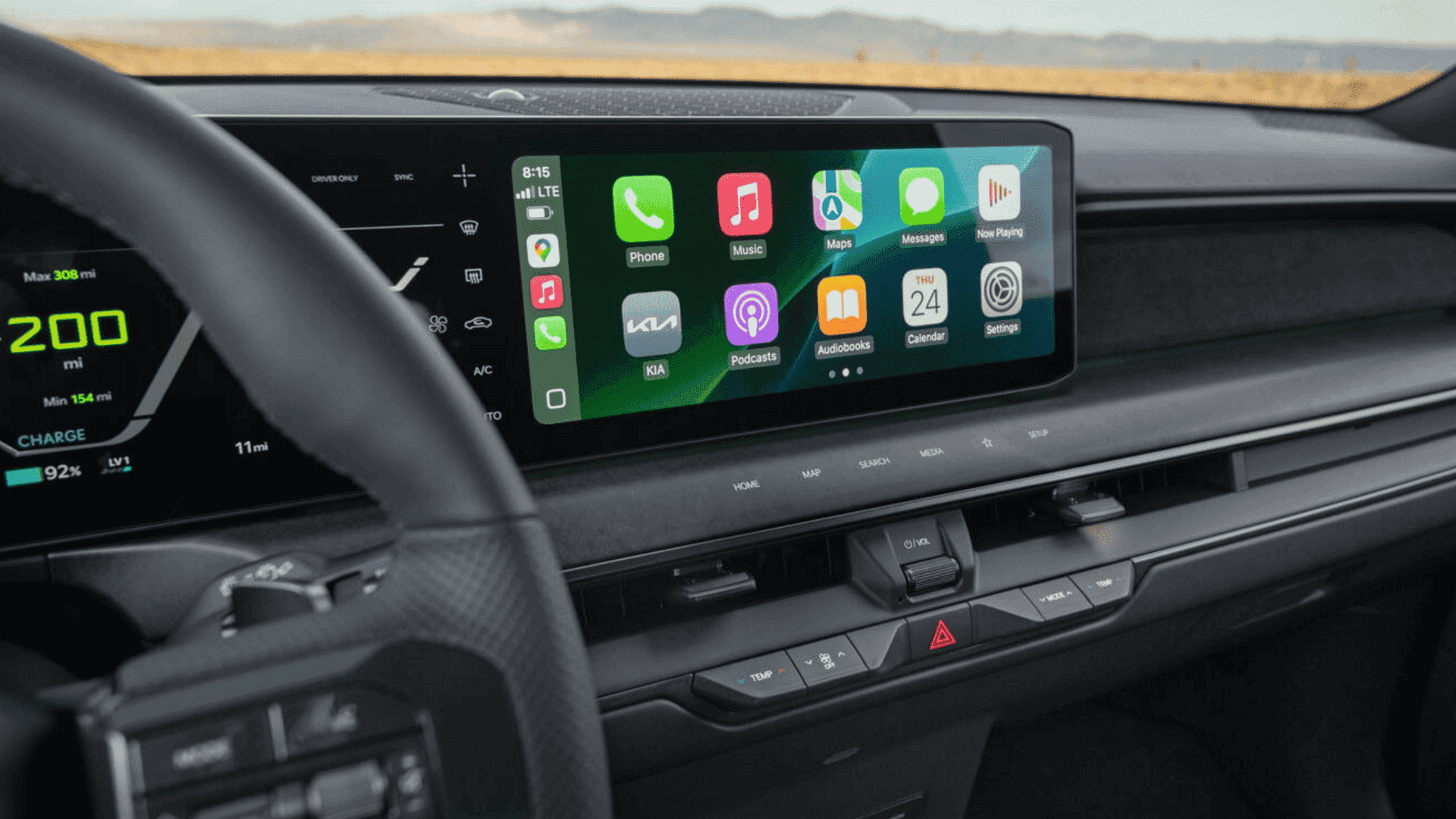
Operational consistency across environments is managed through a battery heating system and an integrated heat pump. The heating system brings the battery to operational temperature in cold climates, reducing internal resistance and allowing stable energy delivery during charging and discharge cycles. This system is functional during both active and standby states, minimizing the impact of ambient temperature on battery reliability.
The heat pump allows for cabin temperature regulation without significantly drawing from battery reserves. It compresses and redistributes heat generated during driving, supplementing the HVAC system while preserving available driving range. The use of both systems allows the 2026 Kia EV9 to maintain core power functions and passenger comfort under varied temperature conditions.
Energy Recovery and Brake Integration
Each model features a regenerative braking system capable of recapturing kinetic energy during deceleration. Energy recovered is rerouted to the battery in real time. Steering-wheel-mounted paddles allow manual modulation of braking intensity across multiple levels. Drivers can choose to rely more heavily on regenerative braking or reduce its effect depending on traffic conditions or personal preference.
The shift-by-wire gear selector connects electronically to the drivetrain without mechanical linkages. It communicates driver input directly to control systems, allowing for faster gear selection and eliminating gear lag typically present in mechanical transmissions.
Charging Infrastructure and Vehicle-to-Load Functionality
Charging solutions for the 2026 Kia EV9 include a standard onboard charger and a dual-level in-cable control box (ICCB). These components enable compatibility with both standard and higher-voltage charging equipment. The charging interface is based on the NACS specification. It is illuminated and features a powered door, ensuring reliable access regardless of lighting conditions or manual dexterity.
External charging is supported by an integrated AC adapter. In addition, vehicle-to-load capabilities are present, allowing the vehicle to power external devices directly. This includes the operation of small appliances or tools through available outlets, with power drawn from the vehicle’s battery and governed by onboard inverters.
Suspension, Handling, and Wheel Architecture
Suspension is handled by a self-leveling rear configuration. It adjusts damping and ride height based on vehicle load, maintaining a consistent chassis posture when carrying passengers or cargo. This feature eliminates body sag and reduces roll-in during turns by balancing the weight distribution dynamically.
Steering is electronically assisted through rack-mounted motor-driven power steering. This setup increases responsiveness at low speeds while firming resistance at highway speeds. It also ensures feedback remains proportional to driver input without abrupt shifts in steering effort.
The vehicle’s contact with the road is managed through multiple alloy wheel configurations. Base options begin with 19-inch alloys. Trim-specific versions include 20- and 21-inch wheels, with the largest set incorporating a dark silver and black finish. Each wheel size is matched with tire profiles that meet the traction and clearance requirements of the corresponding suspension settings.
Safety and Active Sound Features
The virtual engine sound feature creates simulated propulsion audio to meet safety standards for pedestrian awareness in low-speed environments. This sound is delivered externally at frequencies that are perceptible without creating unnecessary interior noise.
Internally, Active Sound Design enhances driver feedback through simulated acoustics tied to acceleration and deceleration curves. The sound output is processed in real-time and varies by drive mode, reflecting changes in energy use without producing disruptive frequencies. This supports driver awareness without detracting from the cabin’s acoustic isolation.
Illumination and Exterior Signal Design
All trims include LED-based lighting systems. The main headlamps engage automatically based on external light levels. High-beam assist adjusts the brightness range based on oncoming traffic and road reflectivity. LED fog lights and daytime running lamps are integrated into the front housing for additional low-visibility support.
Rear lighting includes a full-width LED assembly with brake lights and turn indicators. Signal consistency is maintained across all lighting modules through direct electrical input, avoiding the delay present in filament-based systems.
Integrated Efficiency Systems
Battery system management includes an on-board charger and inverter network, which regulates input from charging ports and output to vehicle systems. These components prevent energy loss during conversion and ensure consistent voltage delivery across operations. The inverter allows for continuous monitoring of energy draw, with adjustments made based on active load conditions.
Additionally, power delivery systems are fused with the vehicle’s terrain response system. As terrain modes are engaged, the inverter recalibrates energy distribution profiles to maintain motor stability and preserve available torque.
Visit Courage Kia to Schedule a Test Drive
To explore the full range of features in the 2026 Kia EV9, schedule a visit to Courage Kia near Lowell, NC. Here, test drives can be arranged to experience firsthand how the 2026 Kia EV9 integrates electric performance with precise engineering. Our team is available to answer detailed questions and guide interested drivers through the various drivetrain and trim configurations. Visit to examine the capabilities in a controlled setting designed for accurate demonstration of the 2026 Kia EV9. Your introduction to fully electric mobility begins with a scheduled drive.

