


2026 Kia Sportage near Rock Hill, SC
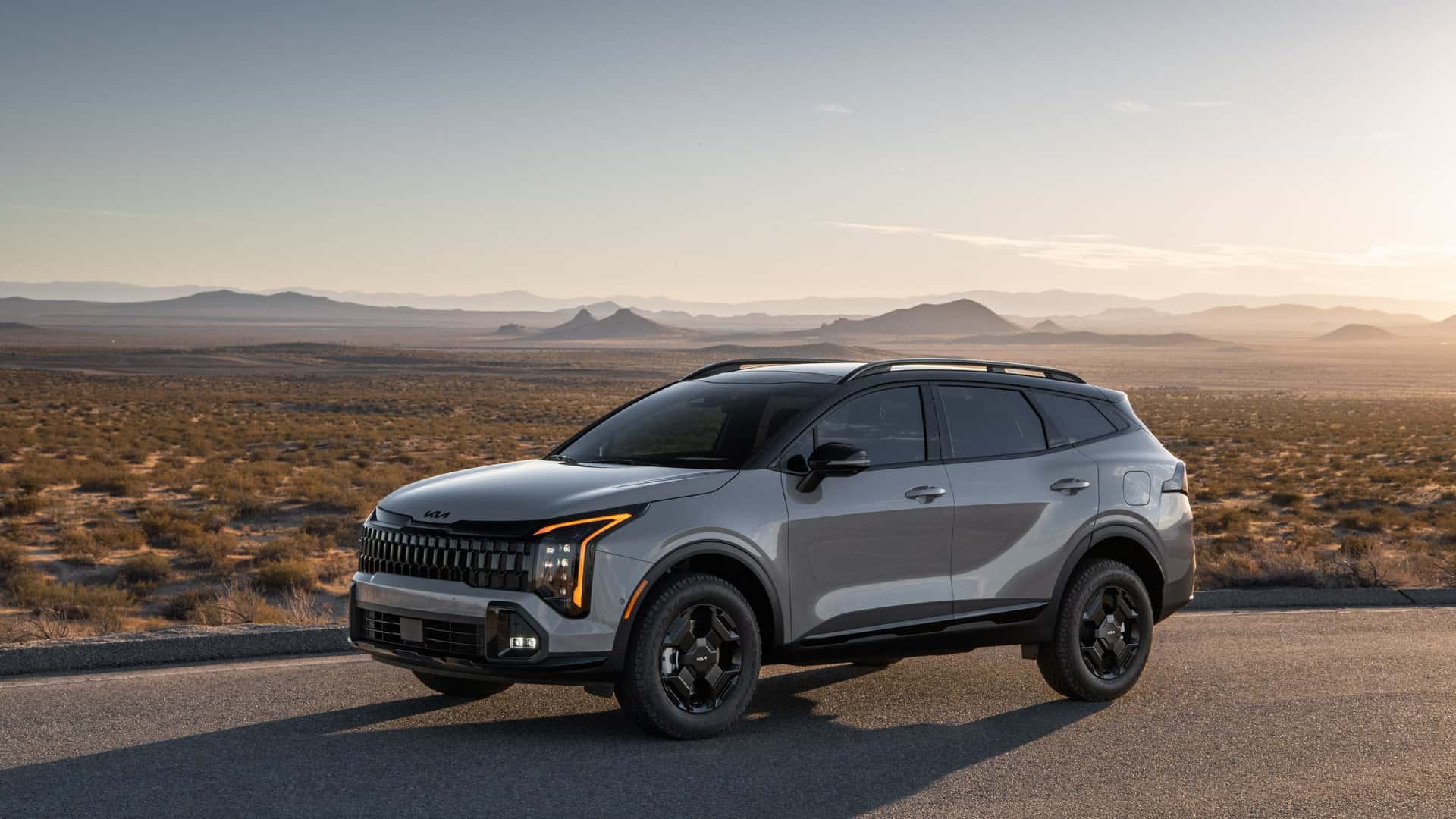
The 2026 Kia Sportage is engineered with a consistent mechanical architecture across all trims, including LX, EX, SX, SX Prestige, X-Line, and X-Pro Prestige. Each configuration utilizes the same 2.5-liter inline 4-cylinder gasoline direct injection engine paired with an 8-speed automatic transmission. This uniformity ensures predictable performance metrics, consistent service requirements, and standardized mechanical behavior across the lineup. The model integrates a dual fuel injection system, aluminum engine construction, and a multi-link suspension setup to support balanced operation across varying driving conditions. The vehicle is designed to operate on regular unleaded fuel with an octane rating of 87 or higher, aligning with standard fuel availability.
Engine Specifications and Combustion Characteristics
The 2.5-liter engine features a displacement of 2,497 cubic centimeters with a bore and stroke measurement of 88.0 mm by 101.5 mm. The inline 4-cylinder configuration incorporates a dual overhead camshaft system with 16 valves and continuously variable valve timing. This valve system is supported by hydraulic lash adjusters to maintain consistent valve clearance and reduce maintenance requirements.
The compression ratio is set at 13.0:1, contributing to efficient combustion and optimized fuel usage. Maximum output is rated at 187 horsepower at 6,100 revolutions per minute, while torque reaches 178 pound-feet at 4,000 revolutions per minute. These figures remain consistent across all trims, indicating no variation in engine tuning between models.
The engine block and cylinder head are constructed from aluminum to reduce overall weight and improve heat dissipation. A steel oil pan is used for durability. The fuel delivery system combines gasoline direct injection with multi-port injection, allowing precise control of fuel distribution across different operating conditions. The emission control system utilizes a combination of a warm-up catalytic converter and underfloor catalytic converter components to manage exhaust output.
Fluid capacities are standardized with a coolant capacity of 3.8 liters and an oil capacity of 6.8 liters for factory fill and 5.8 liters for service fill. These specifications support consistent thermal regulation and lubrication during operation.
Transmission Structure and Gear Ratio Calibration
The 2026 Kia Sportage is equipped with an 8-speed automatic transmission designed to balance acceleration and efficiency. The gear ratios are calibrated to provide gradual transitions between gears while maintaining engine efficiency across different speed ranges. First gear is set at 4.717:1 to support initial acceleration, while eighth gear is set at 0.635:1 to reduce engine load during highway driving.
Intermediate gear ratios include 2.906:1 for second gear, 1.864:1 for third gear, 1.423:1 for fourth gear, 1.224:1 for fifth gear, 1.000:1 for sixth gear, and 0.790:1 for seventh gear. Reverse gear is configured at 3.239:1. The final drive ratio is 3.648:1, contributing to overall drivetrain efficiency.
Front-wheel drive models utilize a dry single-plate diaphragm clutch system, while all-wheel drive configurations rely on a torque converter system. The all-wheel drive system enhances traction distribution across varying surfaces. The transmission system is consistent across all trims, ensuring uniform driving characteristics.
Exterior Dimensions and Structural Geometry
The structural dimensions of the 2026 Kia Sportage are engineered to balance interior capacity and exterior maneuverability. The wheelbase measures 108.5 inches, providing a stable platform for both passenger comfort and handling performance. The overall length is 184.4 inches, while the width is 73.4 inches.
Vehicle height varies depending on drivetrain and roof rail configuration. Front-wheel drive models without roof rails measure 65.4 inches in height, while all-wheel drive models without roof rails measure 66.1 inches. Models equipped with roof rails reach up to 66.9 inches in height.
Track width is measured at approximately 63.6 to 63.8 inches at the front and 63.9 to 64.1 inches at the rear, depending on the trim. Front and rear overhangs are 35.6 inches and 39.4 inches, respectively.
Ground clearance differs between configurations. Front-wheel drive models provide 7.1 inches of clearance, while all-wheel drive models increase this to 8.3 inches. Approach angles for front-wheel drive models are 18.7 degrees, while all-wheel drive models reach 18.9 degrees. Departure angles are 25.8 degrees for front-wheel drive and 26.9 degrees for all-wheel drive. Breakover angles measure 17.8 degrees for front-wheel drive and 19.3 degrees for all-wheel drive.
Interior Dimensions and Cargo Configuration
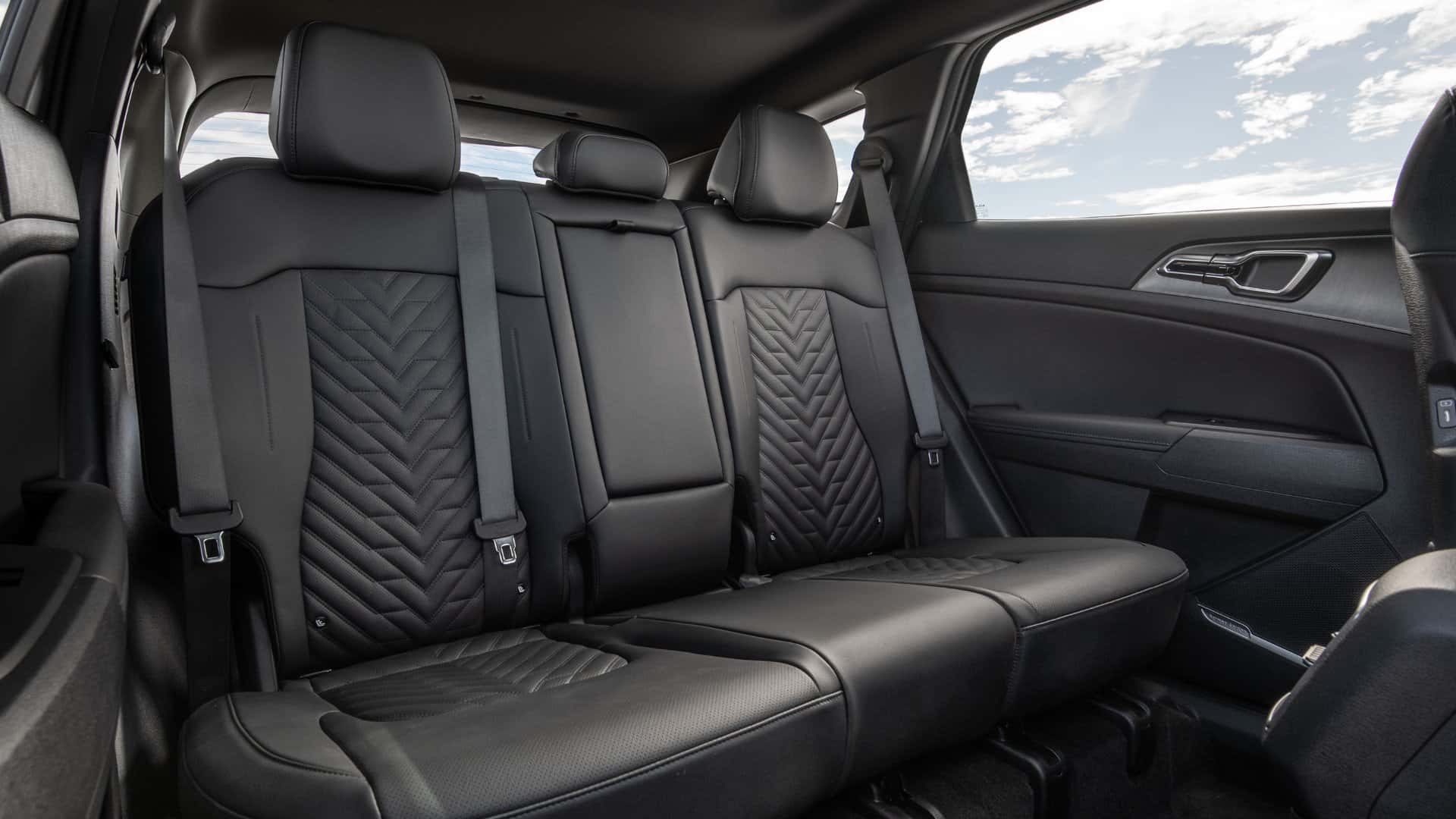
The interior layout is designed to maximize passenger space and cargo flexibility. Front legroom is measured at 41.4 inches, while rear legroom is 41.3 inches. Front headroom without a sunroof is 39.6 inches, and rear headroom is 39.4 inches. With a sunroof, front headroom measures 37.8 inches and rear headroom measures 38.0 inches.
Shoulder room is 57.5 inches in the front and 55.6 inches in the rear. Hip room measures 54.8 inches in the front and 53.4 inches in the rear. These dimensions provide consistent seating space across all trims.
Cargo capacity is supported by a dual-level cargo floor system. With the rear seats folded and the floor in the low position, cargo capacity reaches 74.1 cubic feet. With the rear seats upright, capacity is 39.6 cubic feet. When the floor is in the high position, cargo capacity is 69.3 cubic feet behind the first row and 36.6 cubic feet behind the second row. This system allows adjustment based on cargo height requirements.
Suspension Configuration and Steering Mechanics
The suspension system consists of a MacPherson® strut setup at the front and a multi-link configuration at the rear. This arrangement is consistent across all trims and supports stable handling and ride control. Gas-filled shock absorbers are used to manage road impacts and maintain consistent damping characteristics.
Steering is managed through a column-type motor-driven power steering system. The steering ratio is set at 13.7:1, providing a balance between responsiveness and control. The system requires 2.41 turns from lock to lock, supporting precise directional changes.
The turning radius is 19.3 feet, enabling maneuverability in confined spaces. This specification remains consistent across all trims and drivetrain configurations.
Braking System and Control Integration
The braking system is engineered for consistent stopping performance. Front brake discs measure 320 mm by 30 mm, while rear discs measure 300 mm by 10 mm. The brake booster ratio is 9.1:1, supported by an 11-inch booster size.
An electronic parking brake system with auto hold functionality is standard across all trims. This system maintains braking force without continuous pedal input, particularly in stop-and-go traffic conditions.
The integration of braking components with driver assistance systems enhances overall control and stability during deceleration.
Wheels, Tires, and Weight Distribution
Wheel sizes vary depending on trim level, ranging from 17-inch alloy wheels to 19-inch alloy wheels. Tire sizes correspond to wheel dimensions, including 235/65R17, 235/60R18, and 235/55R19 configurations.
Spare tire options include a tire mending kit or a compact spare tire, depending on the trim and configuration.
Curb weight varies between front-wheel drive and all-wheel drive models. Front-wheel drive models have a minimum curb weight of 3,434 pounds and a maximum of 3,697 pounds. All-wheel drive models range from 3,603 pounds to 3,827 pounds.
Gross vehicle weight ratings reach up to 4,740 pounds for front-wheel drive models and 4,872 pounds for all-wheel drive models. The gross axle weight rating is 2,777 pounds for the front axle and 2,645 pounds for the rear axle.
Fuel Efficiency and Capacity Metrics
Fuel economy ratings are consistent across most trims equipped with front-wheel drive. These models achieve 25 miles per gallon in city driving, 33 miles per gallon on the highway, and a combined rating of 28 miles per gallon.
All-wheel drive models achieve 24 miles per gallon in city driving, 30 miles per gallon on the highway, and a combined rating of 26 miles per gallon. The X-Pro Prestige trim shows slightly lower efficiency, with 23 miles per gallon in the city, 26 miles per gallon on the highway, and 24 miles per gallon combined.
The fuel tank capacity is 14.3 gallons, supporting extended driving range between refueling intervals.
Disclaimer: EPA fuel economy estimates. Actual mileage will vary with options, driving conditions, driving habits, and your vehicle’s condition.
Technology Systems and Driver Assistance Integration
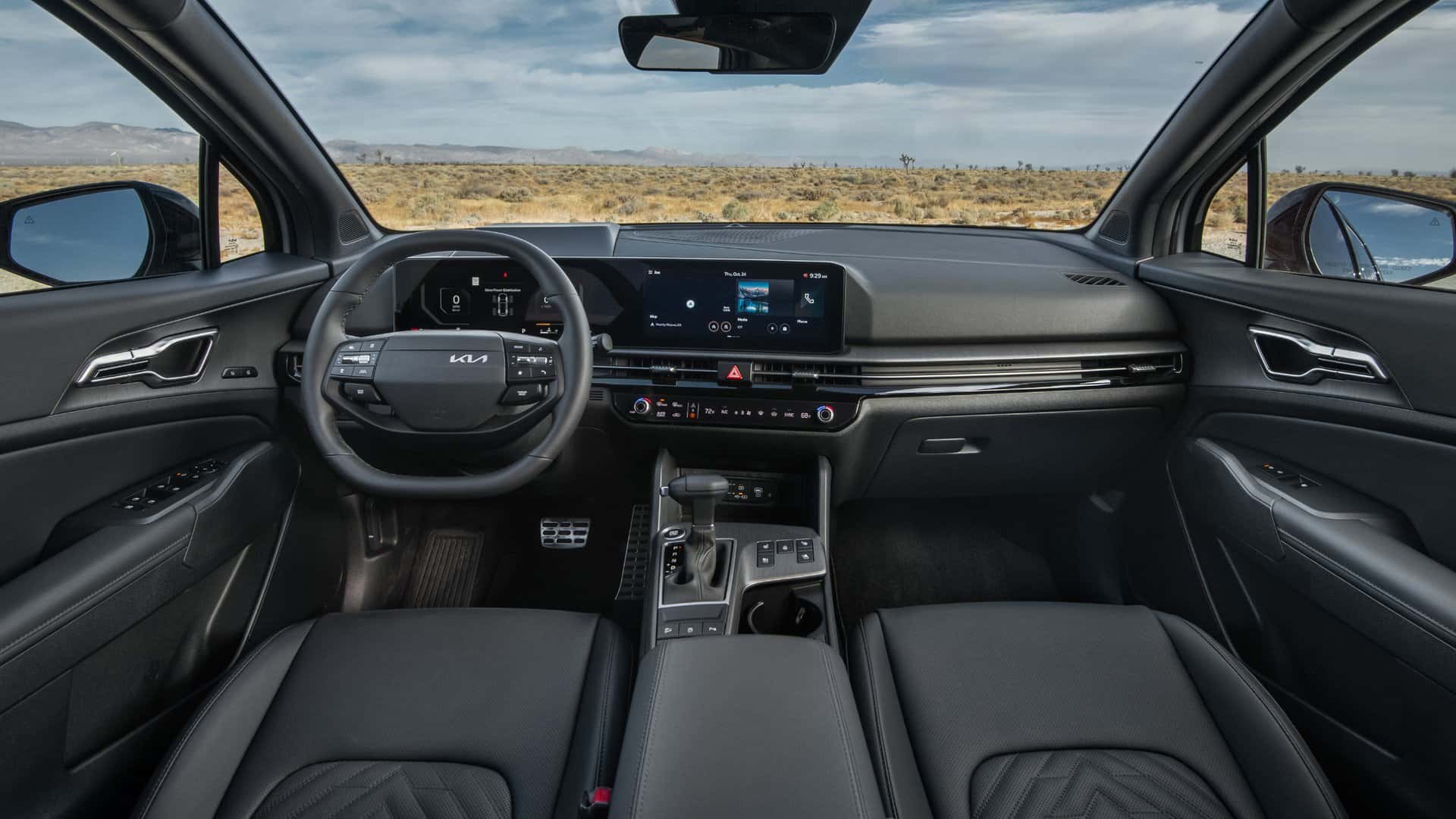
The available Technology Package introduces a range of integrated systems designed to support driver awareness and connectivity. The infotainment system includes a 12.3-inch touchscreen with navigation, satellite radio, HD Radio, voice recognition, and Wi-Fi capability. Wireless Apple CarPlay® and Android Auto™ compatibility are included.
A 12.3-inch panoramic curved instrument cluster provides vehicle data and system feedback. The system supports over-the-air map updates, ensuring navigation data remains current.
Driver assistance systems include Highway Driving Assist and navigation-based smart cruise control. Additional features include a surround-view monitor, a blind-spot view monitor, and parking distance warning sensors for the front, sides, and rear.
Parking collision avoidance assist for reverse operation is included, providing additional support during low-speed maneuvers. The system uses sensor input to detect obstacles and apply braking when necessary.
Safety Systems and Functional Driver Support
Safety systems are designed to monitor vehicle surroundings and provide alerts or intervention when required. Blind-spot collision warning detects vehicles in adjacent lanes and provides visual and audible alerts. Rear cross-traffic collision avoidance assist monitors cross-traffic during reversing and can apply braking to prevent collisions.
Safe exit warning alerts occupants of approaching vehicles when exiting the vehicle. These systems are integrated into available packages and contribute to overall driver awareness.
Additional systems within the Technology Package enhance monitoring capabilities, including camera-based and radar-based detection systems that support consistent operation across varying driving conditions.
Visit Courage Kia near Rock Hill, SC
We invite you to schedule a test drive of the 2026 Kia Sportage to evaluate its engineering specifications and system integration in person. At Courage Kia near Rock Hill, SC, our team can demonstrate how the 2.5-liter engine delivers consistent output and how the 8-speed automatic transmission manages gear transitions across different driving conditions. You can examine the functionality of the 12.3-inch display systems and assess the responsiveness of the driver assistance technologies. The interior dimensions and cargo configurations can be reviewed directly to understand their practical application. Contact our dealership to arrange a visit and experience the technical features of the 2026 Kia Sportage through direct evaluation.

